Pharmaceutical-grade quality
Pharmaceutical-grade peptides for advanced laboratory research.
GMP Standards
Controlled quality workflows for every batch.
99.9% Purity
High-purity peptides verified for research integrity.
Fast Shipping
Reliable logistics with tracking and secure packaging.
Lab Tested
Each product line follows analytical validation protocols.
For Research Use Only
Not intended for human consumption or therapeutic use.

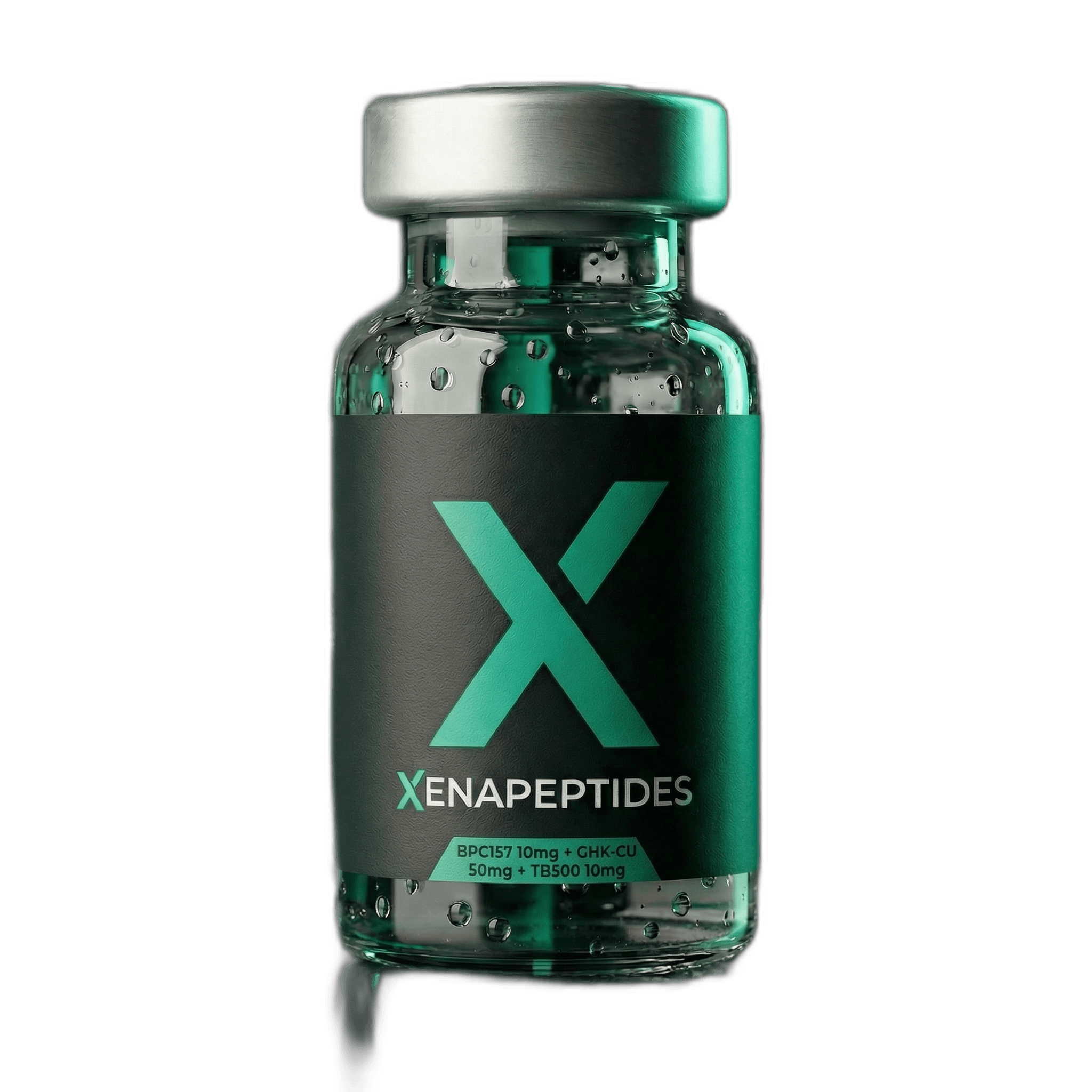
BBG70
Mechanism of action and synergy This blend combines BPC-157, GHK-Cu and TB-500 for multifaceted regeneration. BPC-157 acts via the NO pathway, angiogenesis and growth factors; TB-500 regulates actin, cell migration and angiogenesis; GHK-Cu stimulates collagen, elastin, VEGF/FGF/NGF and tissue remodelling. The combination targets both soft tissue healing (BPC-157, TB-500) and skin/conjunctive health (GHK-Cu). Research applications • Tendon, ligament and muscle healing (BPC-157, TB-500) • Skin repair and tissue remodelling (GHK-Cu) • Angiogenesis and cytoprotection • Multi-target synergy for overall regeneration Biological properties studied • BPC-157: angiogenesis, growth factors, cytoprotection • TB-500: actin, cell migration, angiogenesis • GHK-Cu: collagen, elastin, VEGF/FGF/NGF, anti-inflammation Preparation and storage Reconstitute with bacteriostatic water; inject diluent along vial wall without shaking. Reconstituted solution stored ~21 days refrigerated (2-8°C). • Purity: ≥99% (HPLC) • Presentation: Lyophilized powder (BPC 10mg + GHK-Cu 50mg + TB 10mg) • Storage: 2-8°C • Recommended diluent: Bacteriostatic water (BA) Research use only.
135,00 €
View product
CU100
Mechanism of action GHK-Cu (glycyl-L-histidyl-L-lysine-copper) is a tripeptide naturally present in human plasma, released during injury. It modulates approximately 4000 human genes and exerts effects on tissue remodelling. The peptide stimulates synthesis of collagen, elastin, glycosaminoglycans and chondroitin sulfate while regulating collagen degradation. It increases production of VEGF, FGF-2, NGF and erythropoietin, attracts immune and endothelial cells to wound sites, suppresses free radicals and TNF-α, and increases superoxide dismutase activity. GHK levels naturally decline with age (approx. 200 ng/ml at 20 yrs vs 80 ng/ml at 60 yrs). Research applications • Skin wound healing and tissue remodelling • Fibroblast stimulation and extracellular matrix synthesis • Anti-inflammation and antioxidant • Skin rejuvenation and gene regulation • Epidermal stem cell growth (integrins) Biological properties studied • Stimulation of collagen, elastin and GAG • Increased VEGF, FGF-2, NGF • Anti-inflammatory and antioxidant effects • Modulation of thousands of genes • Purity: ≥99% (HPLC) • Presentation: Lyophilized powder 100 mg • Storage: 2-8°C • Recommended diluent: Bacteriostatic water (BA) • Application: often used in topical or in vitro research Research use only.
50,00 €
View product
CU50
Mechanism of action GHK-Cu (glycyl-L-histidyl-L-lysine-copper) is a tripeptide naturally present in human plasma, released during injury. It modulates approximately 4000 human genes and exerts effects on tissue remodelling. The peptide stimulates synthesis of collagen, elastin, glycosaminoglycans and chondroitin sulfate while regulating collagen degradation. It increases production of VEGF, FGF-2, NGF and erythropoietin, attracts immune and endothelial cells to wound sites, suppresses free radicals and TNF-α, and increases superoxide dismutase activity. GHK levels naturally decline with age (approx. 200 ng/ml at 20 yrs vs 80 ng/ml at 60 yrs). Research applications • Skin wound healing and tissue remodelling • Fibroblast stimulation and extracellular matrix synthesis • Anti-inflammation and antioxidant • Skin rejuvenation and gene regulation • Epidermal stem cell growth (integrins) Biological properties studied • Stimulation of collagen, elastin and GAG • Increased VEGF, FGF-2, NGF • Anti-inflammatory and antioxidant effects • Modulation of thousands of genes • Purity: ≥99% (HPLC) • Presentation: Lyophilized powder • Storage: 2-8°C • Recommended diluent: Bacteriostatic water (BA) • Application: often used in topical or in vitro research Research use only.
40,00 €
View product
IGF-1
Mechanism of action IGF-1 LR3 is a synthetic analog of native IGF-1, modified by glutamine→arginine substitution at position 3 and N-terminal extension of 13 amino acids. These modifications reduce binding to IGF-binding proteins (IGFBP) by approximately 70-80%, increasing bioactive fraction in circulation. The peptide activates the IGF-1R receptor (tyrosine kinase), activating PI3K/Akt/mTOR pathways (protein synthesis via p70S6K and 4E-BP1 phosphorylation) and PI3K/Akt/GSK3-β (protein degradation suppression via FOXO1). Half-life is extended (20-30 h vs 12-15 h for native IGF-1) with approximately 3-fold higher biological potency. Research applications • Muscle hypertrophy and hyperplasia: satellite cell activation, myonuclear accretion • Protein synthesis and mTOR pathway regulation • Muscle atrophy: modulation of MAFbx/atrogin-1 and MuRF1 • Myotube growth in vitro Biological properties studied • IGF-1R activation and PI3K/Akt/mTOR and GSK3-β pathways • Stimulation of satellite cell proliferation • Increased muscle fibre cross-sectional area • Extended half-life and reduced IGFBP binding • Purity: ≥99% (HPLC) • Presentation: Lyophilized powder • Storage: 2-8°C • Recommended diluent: 0.6% acetic acid (AA) or bacteriostatic water per protocol Research use only.
145,00 €
View product
2S50
Mechanism of action Elamipretide (SS-31) is a mitochondrially-targeted peptide that binds to the adenine nucleotide translocator (ANT) and ATP synthase. It improves ADP sensitivity in aged mitochondria by increasing ADP uptake via ANT, resulting in increased ATP production. The peptide also decreases protein S-glutathionylation and mitochondrial free radical production, suggesting antioxidant effects. Its mechanism relies on membrane interactions and modifications of inner mitochondrial membrane electrostatics. Research applications • Mitochondrial function and ADP sensitivity in aged tissues • Oxidative stress and S-glutathionylation • Aging and mitochondrial dysfunction models • Muscle force and systolic cardiac function in aged animals • Age-related diseases Biological properties studied • Mitochondrial targeting via ANT and ATP synthase • Improved ATP production and ADP response • Reduced ROS and antioxidant effects • Potential restoration of mitochondrial function with age • Purity: ≥99% (HPLC) • Presentation: Lyophilized powder 50 mg • Storage: 2-8°C • Recommended diluent: Bacteriostatic water (BA) Research use only.
220,00 €
View product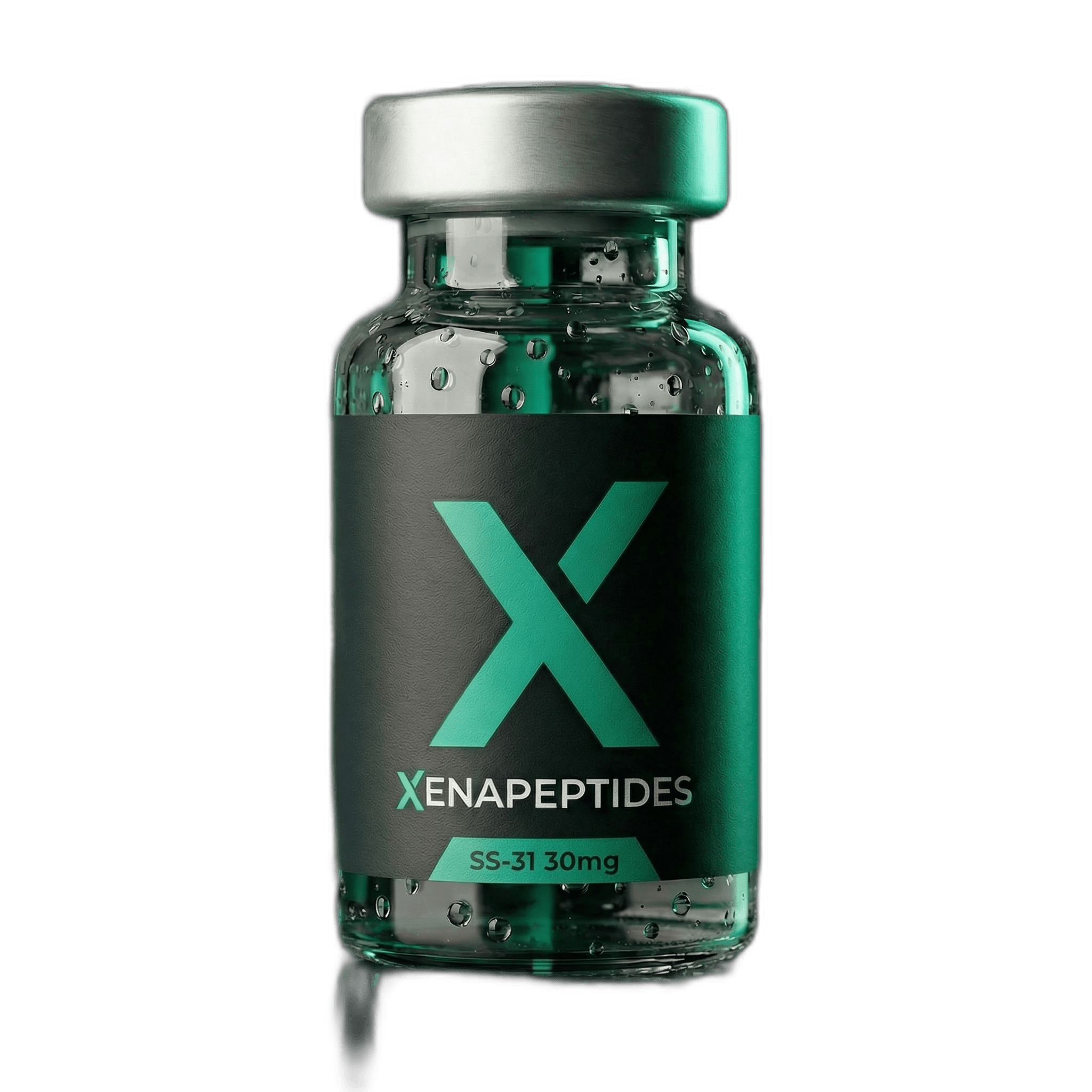
2S30
Mechanism of action Elamipretide (SS-31) is a mitochondrially-targeted peptide that binds to the adenine nucleotide translocator (ANT) and ATP synthase. It improves ADP sensitivity in aged mitochondria by increasing ADP uptake via ANT, resulting in increased ATP production. The peptide also decreases protein S-glutathionylation and mitochondrial free radical production, suggesting antioxidant effects. Its mechanism relies on membrane interactions and modifications of inner mitochondrial membrane electrostatics. Research applications • Mitochondrial function and ADP sensitivity in aged tissues • Oxidative stress and S-glutathionylation • Aging and mitochondrial dysfunction models • Muscle force and systolic cardiac function in aged animals • Age-related diseases Biological properties studied • Mitochondrial targeting via ANT and ATP synthase • Improved ATP production and ADP response • Reduced ROS and antioxidant effects • Potential restoration of mitochondrial function with age • Purity: ≥99% (HPLC) • Presentation: Lyophilized powder 30 mg • Storage: 2-8°C • Recommended diluent: Bacteriostatic water (BA) Research use only.
150,00 €
View product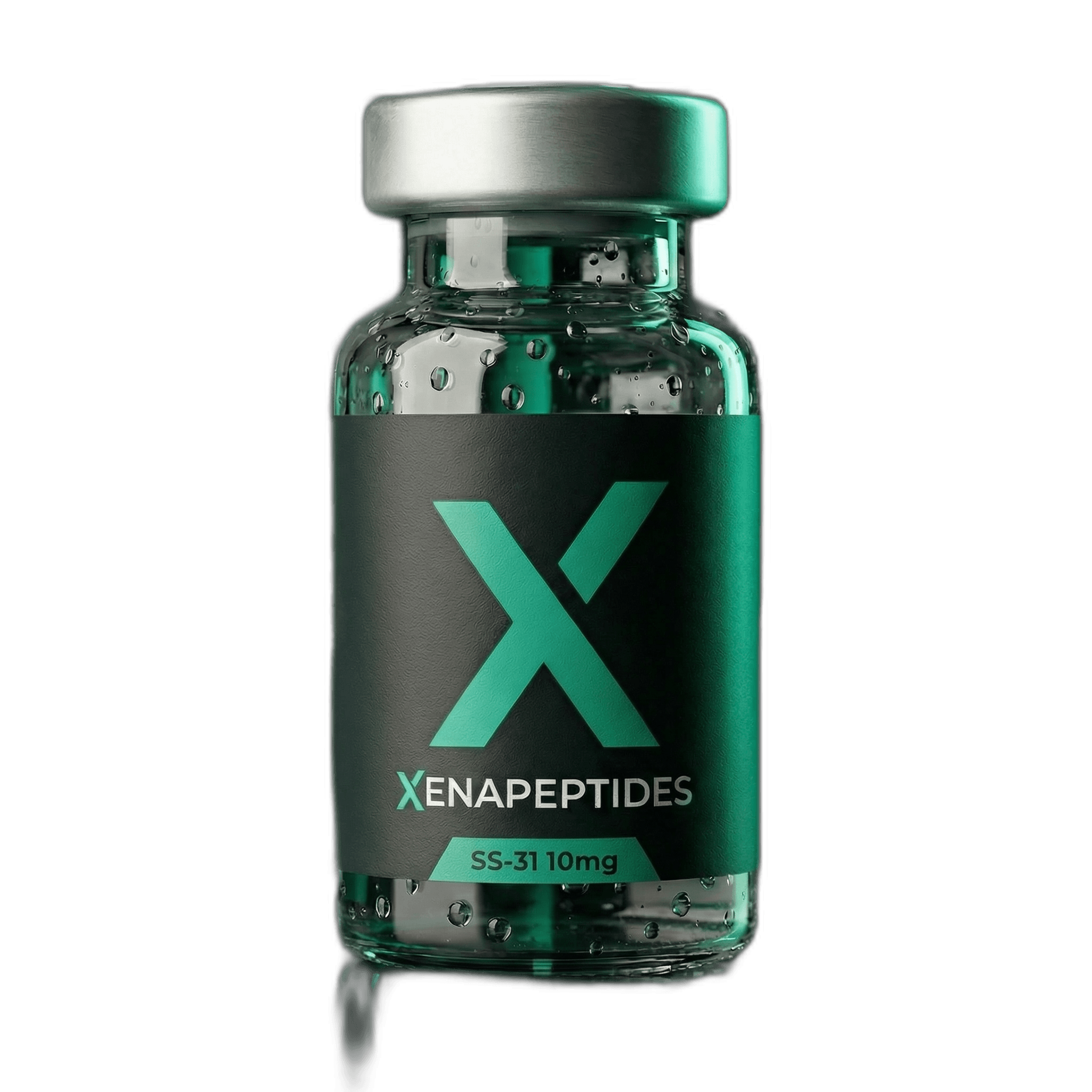
2S10
Mechanism of action Elamipretide (SS-31) is a mitochondrially-targeted peptide that binds to the adenine nucleotide translocator (ANT) and ATP synthase. It improves ADP sensitivity in aged mitochondria by increasing ADP uptake via ANT, resulting in increased ATP production. The peptide also decreases protein S-glutathionylation and mitochondrial free radical production, suggesting antioxidant effects. Its mechanism relies on membrane interactions and modifications of inner mitochondrial membrane electrostatics. Research applications • Mitochondrial function and ADP sensitivity in aged tissues • Oxidative stress and S-glutathionylation • Aging and mitochondrial dysfunction models • Muscle force and systolic cardiac function in aged animals • Age-related diseases Biological properties studied • Mitochondrial targeting via ANT and ATP synthase • Improved ATP production and ADP response • Reduced ROS and antioxidant effects • Potential restoration of mitochondrial function with age • Purity: ≥99% (HPLC) • Presentation: Lyophilized powder • Storage: 2-8°C • Recommended diluent: Bacteriostatic water (BA) Research use only.
85,00 €
View product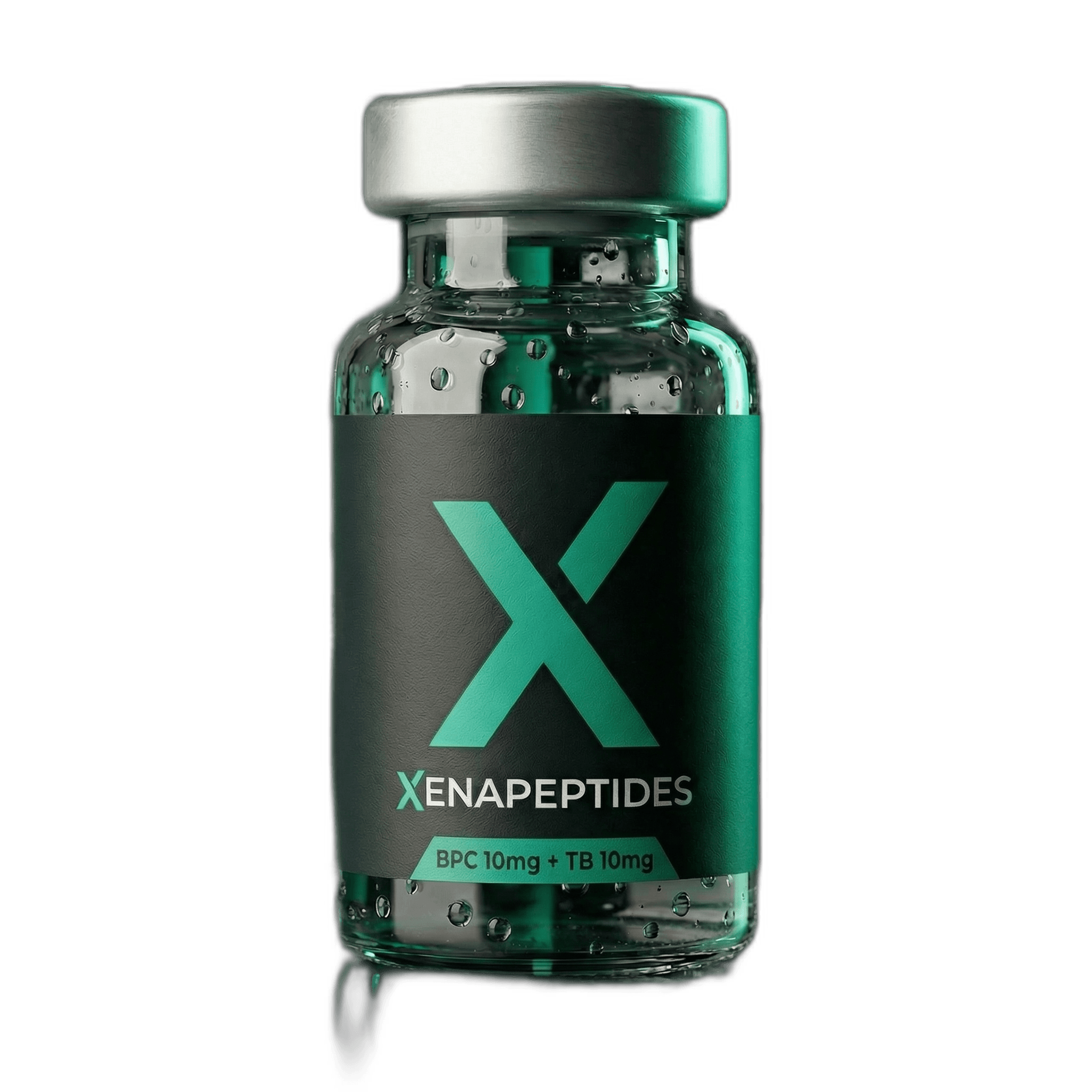
BB20
Mechanism of action and synergy This blend combines BPC-157 and TB-500, two complementary peptides for tissue regeneration. BPC-157 acts via the NO pathway, angiogenesis and growth factors (VEGF, TGF-β, FGF), upregulating GH receptors in tendon fibroblasts. TB-500 regulates actin and cell migration, promotes angiogenesis and healing. The combination is studied for potential synergy on tendon and muscle healing. Research applications • Tendon and ligament healing: dual-target BPC-157 + TB-500 approach • Skeletal muscle and soft tissue repair • Angiogenesis and gastrointestinal cytoprotection • Inflammation reduction and cell regeneration Biological properties studied • Synergy of BPC-157 (angiogenesis, growth factors, GH receptors) and TB-500 (actin, migration, angiogenesis) • Potential improvement of tendon fibroblast proliferation in presence of GH • Accelerated healing and biomechanical repair Preparation and storage Reconstitute with bacteriostatic water; inject diluent along vial wall without shaking. Reconstituted solution stored ~21 days refrigerated (2-8°C). • Purity: ≥99% (HPLC) • Presentation: Lyophilized powder (BPC 10mg + TB 10mg) • Storage: 2-8°C • Recommended diluent: Bacteriostatic water (BA) Research use only.
135,00 €
View product